Guests now expect style and care for the planet. This article shows how thoughtful green design draws high-value guests and raises revenue. You will learn clear steps, smart design choices, and how to measure results.
Why green design matters to luxury travelers
Luxury guests want meaning in their stay. They want comfort, beauty, and proof that the brand cares about the world. Green design gives them that proof in a way that feels real and lasting. When a hotel shows genuine green choices, guests feel they made a wise and ethical choice.
High-value guests often travel more. They bring repeat visits and large bookings. If a property offers elegant green features, it becomes a preferred choice. These guests will pay for quality that aligns with their values.
Design that saves energy and resources also improves the guest experience. Better air quality, natural light, and quiet systems make rooms more pleasant. These small wins add up and earn positive reviews and referrals.
Green design also builds a strong brand story. That story makes marketing easier and sets the property apart in a crowded market. Luxury travelers notice details, and those details can set a property above its peers.
Key design features that attract high-value guests
Good green design blends beauty and function. It avoids the feel of a checklist and instead creates thoughtful spaces. The right features signal care without being loud or preachy.
Below is a clear list of design features that appeal to upscale guests. Read the short intro, then review each item to see how it works in practice.
- Natural materials: Use wood, stone, and textiles that age well and feel warm. These materials suggest quality and health.
- Energy-efficient lighting: LED and smart lighting systems reduce energy use and create a refined mood in rooms and public areas.
- Indoor air quality: Filters, low-VOC finishes, and plants improve comfort and signal wellness focus.
- Water-saving fixtures: Modern taps, showers, and toilets save water without losing performance or style.
- Passive design elements: Shading, cross-ventilation, and thermal mass help keep spaces comfortable with less energy.
- Local craft and art: Work with local makers to add unique, low-carbon pieces that tell a story and support the community.
Each of these features can be customized to match a property’s brand and budget. Small investments often yield big returns in guest perception. Luxury guests notice when these elements are done well.
Design coherence matters. When multiple green features work together, the result feels intentional. That cohesion shows guests that sustainability is part of the brand, not an afterthought.
How green design improves guest experience
Guests feel comfort in spaces that are quiet, clean, and healthy. Green design often improves those qualities, so guests report better sleep and more relaxation. That leads to higher satisfaction scores.
Comfort and convenience must meet sustainability. For example, smart thermostats can maintain ideal temperature while saving energy. High-value guests appreciate systems that work without fuss.
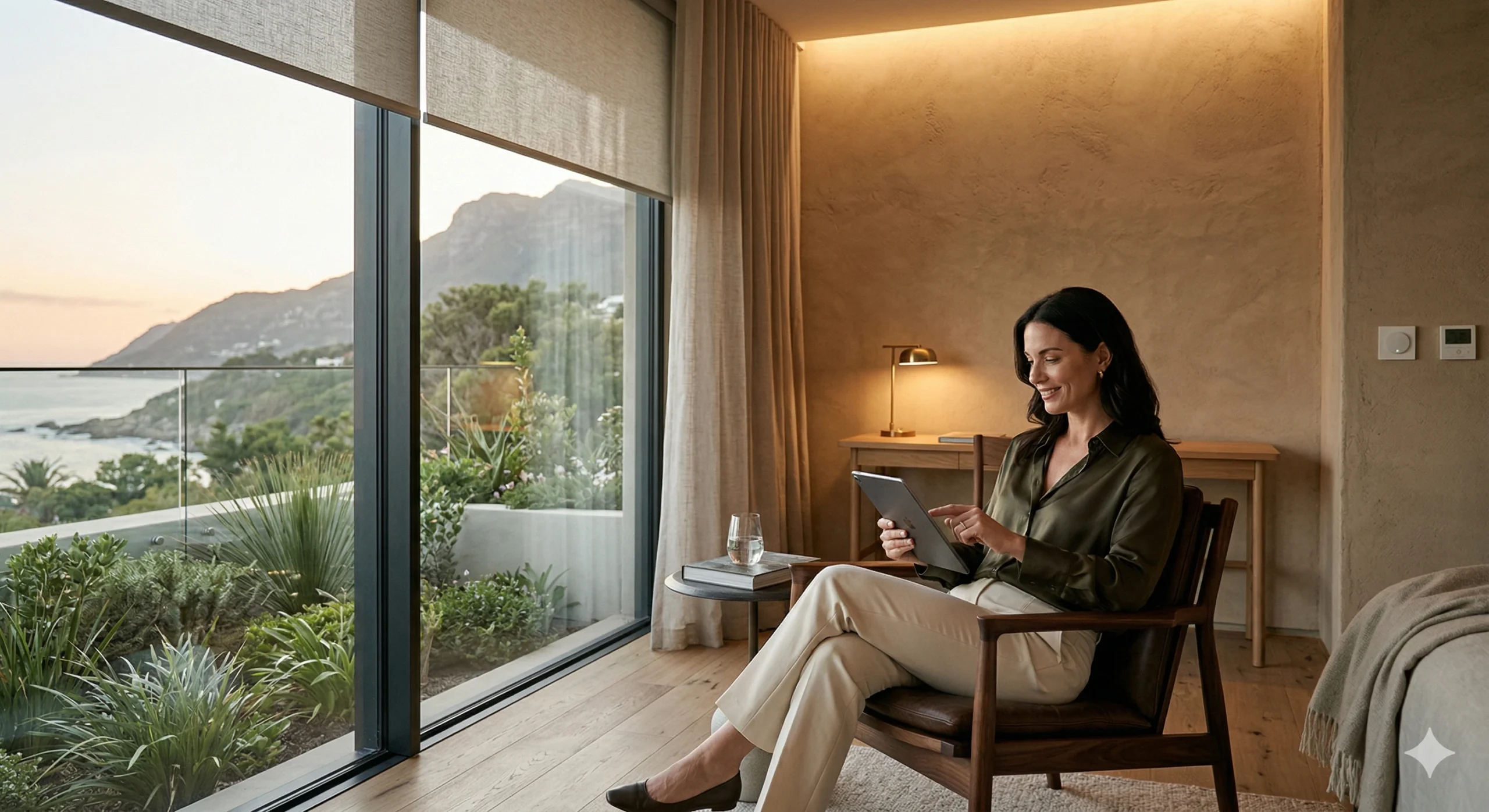
Visual cues matter. When a space looks crafted and natural, guests feel calm and confident. Plants, crafted furniture, and natural light create a sense of place and quality.
Service and storytelling complete the experience. Staff who explain green features in simple, friendly ways help guests connect. This human element turns design into a memorable stay.
Operations and certifications that build trust
Design alone is not enough. Guests want proof that actions match claims. Operations and recognized certifications provide that proof. They show that sustainability is measured and maintained.
Below is a list of common operational steps and certifications that help build trust with high-value guests. Each item supports the guest experience and brand credibility.
- Energy audits and tracking: Regular audits show where energy is used and where savings are possible. Guests may not see audits, but they benefit from their results.
- Waste management programs: Clear recycling and composting systems reduce waste and show practical commitment.
- Water management plans: Metering, leak detection, and efficient landscaping protect resources without harming guest comfort.
- Staff training: Teams trained in green operations maintain systems better and explain them to guests in a warm, confident way.
- Third-party certifications: Credible labels offer proof to guests. Choose certifications that match the property scale and market.
Consistency is key. Guests value steady performance. When operations maintain green systems, guests see daily benefits in comfort and service.
Certifications work best when they are visible and explained. A tasteful note in the room or a friendly mention at check-in helps guests appreciate the effort. Transparency makes the value clear.
The financial case: revenue, repeat business, and ROI
Investing in green design does more than lower bills. It changes guest behavior and increases revenue. High-value guests often spend more on food, spa, and events. A property that matches their values captures that spend.
Repeat guests and referrals are a major part of the financial return. A strong green brand builds loyalty. Guests who trust a brand will choose it again and recommend it to others.
Measuring ROI means looking at multiple streams. Track energy and water savings, but also track occupancy, average daily rate, and guest feedback. These metrics show how green design affects the bottom line.
Green updates can be phased to match cash flow. Start with high-impact, low-cost changes. Then plan larger upgrades when funding allows. This staged approach gives quick wins and builds confidence for bigger investments.
Practical steps to start implementing green luxury
Start with clear goals. Decide what matters most: guest comfort, reputation, cost savings, or community impact. A simple plan helps teams act with purpose and measure results.
Below is a short checklist to start a practical green program. Read the brief intro, then use each step as an action item you can follow and assign.
- Audit current assets: Review energy, water, and material use. Note quick fixes and long-term upgrades.
- Set measurable targets: Choose a few clear goals like reducing energy by 15% or increasing guest satisfaction scores.
- Prioritize high-impact changes: Focus on items that improve both guest comfort and resource use, such as HVAC upgrades or lighting improvements.
- Train staff: Ensure teams know how to run new systems and explain benefits to guests in friendly terms.
- Communicate with guests: Share the story in simple ways, such as a note in the room or a mention at check-in, without being preachy.
Take small steps and measure the results. Early wins motivate staff and reassure owners. Use simple reporting to show how design changes affect costs and guest feedback.
Partner with local makers and suppliers. Local partnerships reduce transport emissions and add unique items that guests love. They also create a richer brand story that feels authentic.
Key Takeaways
Sustainable design matters to luxury travelers because it combines comfort, beauty, and ethics. High-value guests respond to spaces that feel crafted, healthy, and thoughtful. That response turns into bookings, higher spend, and loyalty.
Focus on a few strong design moves that improve guest comfort and cut resource use. Back design with solid operations and clear measures. Train staff to share the story in a warm way. These steps build trust and repeat business.
Start small, measure results, and grow your program. Use local craft, energy-smart systems, and visible proof through operations and certifications. The goal is a memorable stay that is better for guests and better for the planet.
At Artofthecode we believe elegant design and real sustainability go hand in hand. Use this guide to shape a plan that brings more high-value guests to your property while doing good for the environment.