Mobile bookings are now the norm. Users expect speed, ease, and trust when they tap to reserve a service or buy a ticket. This article explains why one-tap payments matter for mobile-first experiences and how teams can make them work well.
Read on for practical guidance on design, security, and metrics. You will get clear steps and simple examples to improve booking flow and conversion on phones and tablets.
Why mobile first matters
People use phones for nearly every daily task. Choosing a mobile-first approach means designing for touch, small screens, and quick decisions. When booking, patience is short. If a payment step is slow, many users leave without completing the reservation.
Mobile-first also changes how forms and payment flows should work. Fields must be minimal. Buttons must be large and obvious. The path from selection to confirmation should be short and clear.
Focusing on mobile first helps teams reduce friction and improve conversion rates. It forces product teams to remove extra steps and to prioritize the most important actions. That focus benefits both customers and the business.
What a one-tap payment is
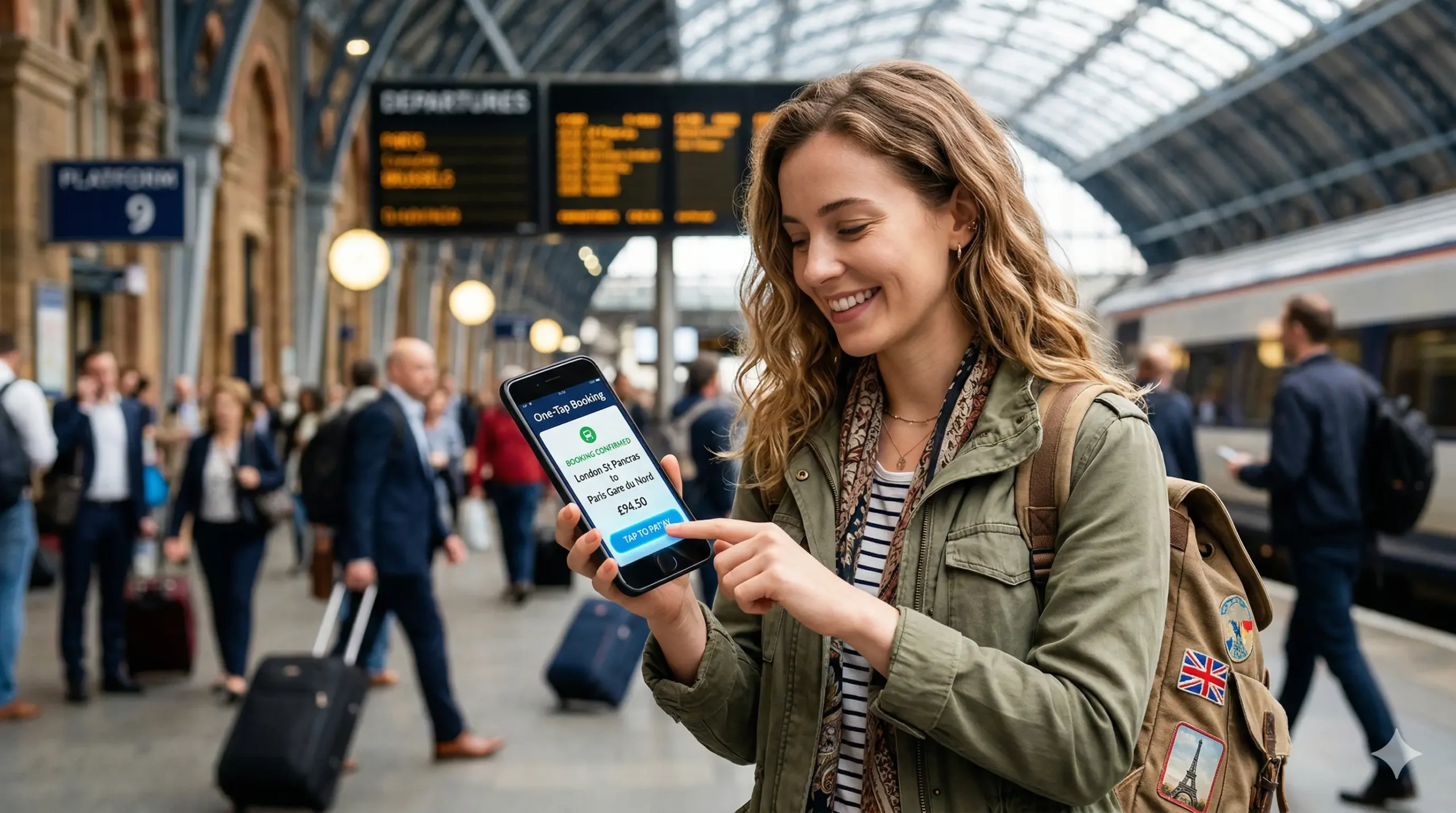
One-tap payment means a user completes a payment with a single tap or click. The payment method is already stored or offered by the device or wallet. The user does not retype card numbers or fill long forms.
On mobile this often uses a native wallet or a saved card token. The app or site asks for confirmation and then completes the charge. The result feels instant and secure to the customer.
One-tap payment reduces friction and cognitive load. Users move from intent to purchase quickly. That speed often leads to higher completion rates and better user satisfaction.
Customer benefits
One-tap payments make booking fast and enjoyable. Customers no longer wrestle with long forms or worry about typing mistakes. This creates a smoother experience and builds loyalty.
Below are the main benefits customers notice when one-tap payments are used. Each point shows how the experience changes for the person making the booking.
The most common gains include:
- Speed: Payments finish in seconds, so users book quickly and move on with their day.
- Less friction: Fewer fields and screens mean fewer chances to abandon the process.
- Fewer errors: Using stored tokens or wallet info removes manual entry mistakes.
- Trust: Familiar wallet interfaces can feel more secure and reliable to users.
- Convenience: Users who book regularly appreciate returning to a friction-free flow.
Business benefits
One-tap payments improve revenue by increasing completed bookings. Higher conversion means better return on acquisition spend. The faster flow also supports mobile marketing and onsite promotions.
Here is a short list of specific business gains and why they matter for teams focused on growth and retention.
Key business impacts include:
- Higher conversion rates: Less friction means fewer drop-offs during checkout.
- Lower cart abandonment: Simplified steps reduce the chance that users leave before paying.
- Repeat customers: Easy payments encourage users to come back and use the service again.
- Improved average order value: Faster checkout makes users more willing to accept add-ons or upgrades.
- Reduced support costs: Fewer payment errors lead to fewer help requests and refunds.
Design and UX best practices
Design for clarity and speed. Show the total price and any fees early. Use clear call-to-action buttons that are easy to tap with one thumb. Keep the visual path focused on finishing the booking.
Minimize required input. Let the device or browser fill what it can. Offer wallet-based or tokenized payments at the top of the payment screen. If you ask for confirmation, use short, clear language and a prominent confirmation button.
Test flows on real devices. Observe how users hold and tap their phones. Learn where fingers land and which labels cause hesitation. Small changes to spacing, color, and wording can have a big impact on completion rates.
Security and compliance
Security must be part of the one-tap payment design. Use tokenization so raw card details never touch your servers. That reduces risk and the scope of compliance requirements.
Use device or wallet authentication like biometrics when possible. Fingerprint or face unlock adds a layer of user-present authentication that customers trust. Make sure the fallback path is secure and easy to use if biometric fails.
Work closely with your payments provider to meet regional rules and standards. Keep receipts and confirmation clear so users can verify charges. Regularly review your security posture and update libraries and protocols.
Implementing and measuring success
Start with a clear plan for rollout and measurement. Choose a small user group or market to test one-tap payments. That lets you gather data and fix issues before wider deployment.
Track core metrics to judge success. Below is a set of practical metrics that teams use to measure impact. Each metric ties directly to business and user outcomes.
Key metrics to monitor:
- Conversion rate: Percentage of sessions that result in a completed booking after one-tap is available.
- Abandonment rate: How often users leave during the payment step compared to prior flows.
- Time to complete: Seconds from checkout to confirmation; lower is better.
- Repeat booking rate: Frequency of returning customers after introducing one-tap.
- Support tickets: Volume of payment-related help requests and disputes.
Key Takeaways
One-tap payments are a practical way to make mobile bookings faster and clearer. They reduce friction for customers and improve revenue for businesses. The change is simple in concept but powerful in impact.
Focus on clean design, strong security, and careful measurement. Test with real users and monitor the right metrics. Small UX changes and the right payment tools can lift conversions noticeably.
Start small, measure results, and expand as you learn. Prioritize speed, trust, and clarity to turn mobile intent into completed bookings.