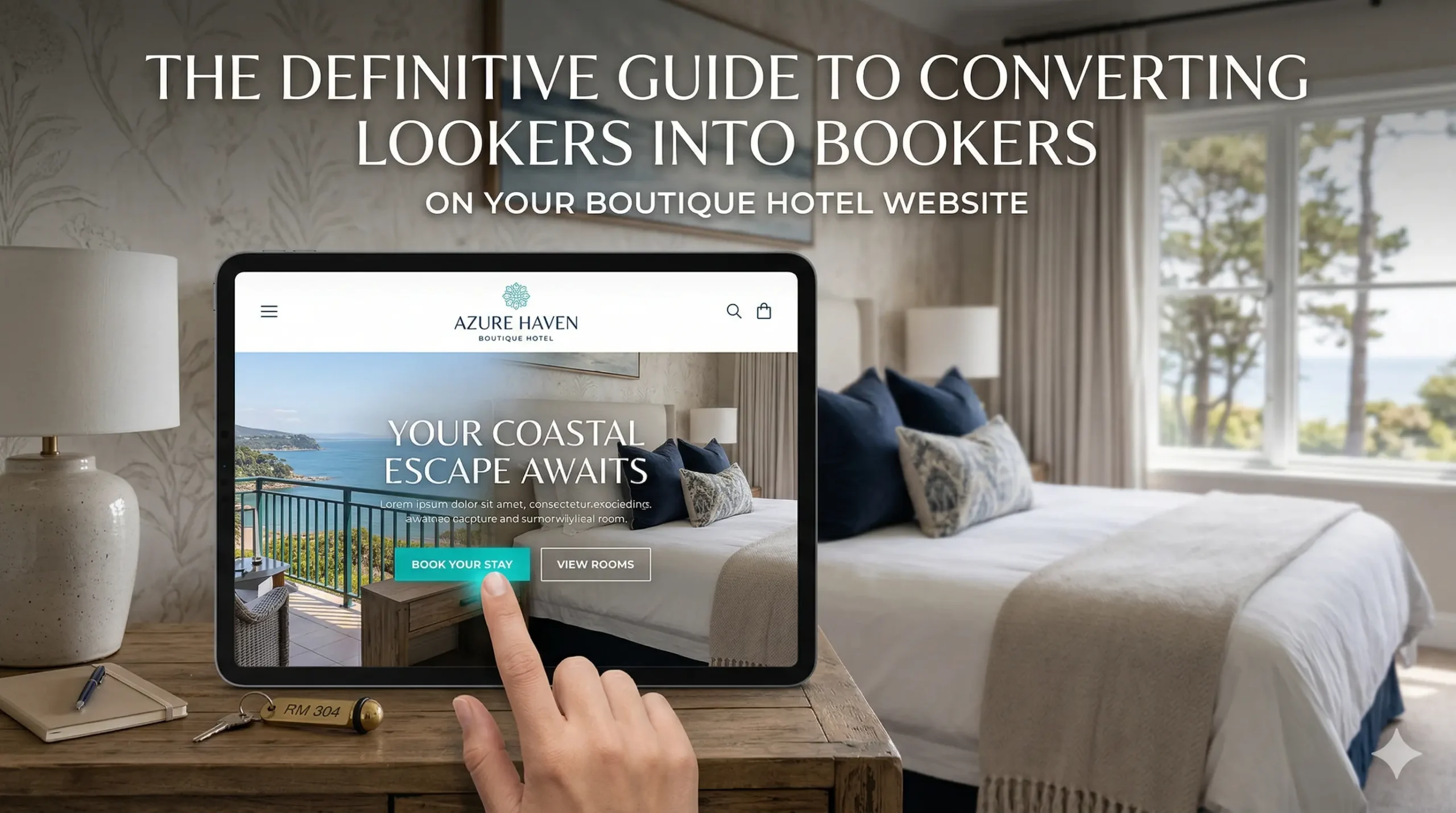
If you run a boutique hotel site , you want more visitors to become guests. This piece explains simple, proven steps to turn casual visitors into confirmed bookings. Read on for practical tips you can use today.
Know your guests
Start with clear guest profiles. Think about who books your rooms and why. Are they weekend travelers, business guests, couples, or long stay visitors? When you know this, you can speak directly to their needs in simple language.
Use short surveys and booking data to learn basic facts. Ask which features matter most, and test small questions on your booking flow. Keep questions few and quick so guests answer them.
Segment your audience into a few groups and write a short pitch for each. For example, couples want romance and quiet. Business travelers want fast Wi-Fi and a reliable check-in. Use these pitches in your hero text and room descriptions.
Keep notes and update profiles as you collect new data. Small changes add up. Over time your site will feel like it was built just for those guests. That makes booking feel natural and easy.
Clear value and great design
Your homepage must explain value within seconds. Use a short headline and a clear subhead that tells a guest what makes your hotel special. The message should match the guest profiles you created earlier.
Good design does not mean extra bells. It means clear layout, readable fonts, and strong photos that match reality. Avoid clutter. Let essential booking elements be obvious and easy to find.
Below is a short list of high impact visual and content elements to keep on your pages. Each item is a practical feature to improve trust and focus attention on booking.
Use these features to make the first impression count. Place the most important items where the eye naturally looks. Keep the path to booking simple and visible.
- Hero message: A short headline with a clear value proposition and a single primary booking button.
- Authentic photos: High quality images of rooms, common areas, and unique details.
- Key amenities: Short bullets like free Wi-Fi, breakfast, parking, and location perks.
- Room highlights: Short summaries that match guest profiles with clear benefits.
Simplify the booking flow
Booking should feel fast and safe. Reduce the steps and fields a guest must fill. Ask for only what you need to confirm a room. Extra steps create friction and lost bookings.
Show progress clearly. Let guests see how many steps remain and allow quick edits. Keep buttons large and labeled with action words like Book Now or Check Rates. Clear microcopy reduces hesitation.
Before using any list, present a clear lead-in sentence that describes what follows. This practice helps readers know why the list exists and how to use it within the booking process.
Here is a focused checklist to simplify the booking flow. Use these items to make step reduction and clarity your priority.
- Limit form fields to name, email, payment, and basic preferences.
- Offer guest checkout or social sign-in options where possible.
- Auto-fill fields when safe and approved by the user.
- Include a visible price summary and cancellation rules before payment.
Use strong trust signals
Guests need to feel safe before sharing payment details. Trust is earned with clear policies, visible reviews, and social proof. Place these signals where guests look during booking.
Simple statements about safety, clean standards, and secure payment help reduce anxiety. Short, honest phrases work better than long legal text. Let guests read more if they want, but lead with clarity.
Below is a short introduction to a useful set of trust signals. Each item is easy to implement and often raises conversion rates quickly when placed near booking buttons.
Use these elements to reassure guests at key moments. Place them on room pages, the checkout screen, and near any special offers you present.
- Guest reviews: Show recent reviews with short quotes and scores.
- Security badges: Display payment security icons and PCI compliance notes.
- Clear policies: Short cancellation and refund statements near the price.
- Local endorsements: Quick mentions if you work with local tourism boards or trusted partners.
Smart pricing and offers
Price matters, but clarity matters more. Make prices transparent and avoid extra fees that appear late. Guests leave when surprises appear at checkout.
Create simple packages tailored to your guest segments. For example, a weekend romance package or a work-friendly weekday rate. Keep the rules and benefits short and visible.
Before each list, write a guiding sentence that explains why the list is useful. This helps the reader understand what choices to expect and how those choices affect booking.
Use this list to shape offers that cause guests to act. Each tactic is low cost and designed to reduce hesitation and make the value clear.
- Price transparency: Show total price early, including taxes and fees.
- Limited time perks: Offer small perks for direct bookings like free breakfast.
- Package clarity: State what each package includes in short bullets.
- Guarantees: Offer a best rate promise or easy cancellation to build confidence.
Mobile and site speed
Most guests browse on phones. Your site must feel fast and clean on small screens. If the page is slow or crowded, many visitors will leave without booking.
Simple navigation and clear buttons make mobile booking easier. Keep the booking form at the top of the room page and use stacked layout for content. Big touch targets help reduce mistakes.
Introduce lists with a short sentence that explains why the reader should care. This leads into practical steps and keeps content focused and useful for busy readers.
Follow this quick checklist to improve mobile experience and load times. These are technical but high impact items you can test and improve quickly.
- Compress images and use modern formats to reduce load time.
- Prioritize visible content so the booking box loads first.
- Use responsive layouts and large buttons for touch interaction.
- Monitor page speed and fix slowing scripts or plugins.
Test, measure, and iterate
Testing is the clearest way to make steady gains. Run small experiments and measure the results. Tests should be simple and focused on a single change at a time.
Use basic metrics like booking rate, bounce rate, and time to complete booking. Compare results across weeks to see clear trends. Track changes and keep records of what worked.
Every time you present a list add a clear lead-in sentence that explains the list purpose. This helps readers decide which tip to try first and why it matters.
Here are practical experiments and metrics to try. Start small, learn fast, and keep changes reversible so you can test the next idea.
- Run A/B tests on headlines and booking button copy.
- Test price presentation: nightly vs total price.
- Measure conversion before and after adding trust signals.
- Track mobile vs desktop bookings and prioritize fixes accordingly.
Key Takeaways
Convert more visitors by making the value clear and the booking flow short. Focus on guest needs, strong visuals, and clear pricing. These basics create a smooth path from discovery to booking.
Trust signals and real reviews reduce hesitation. Mobile speed and simple forms remove friction. Test small changes and keep what works. Over time small wins add up to larger improvements.
Use the checklists and tips in this guide to plan simple monthly improvements. Keep language short, images real, and steps few. If you run a hotel site on Artofthecode, these ideas will help you convert more lookers into bookers.
Start with one change this week. Measure the result. Repeat with another small test. That steady approach grows bookings without major risk or cost.