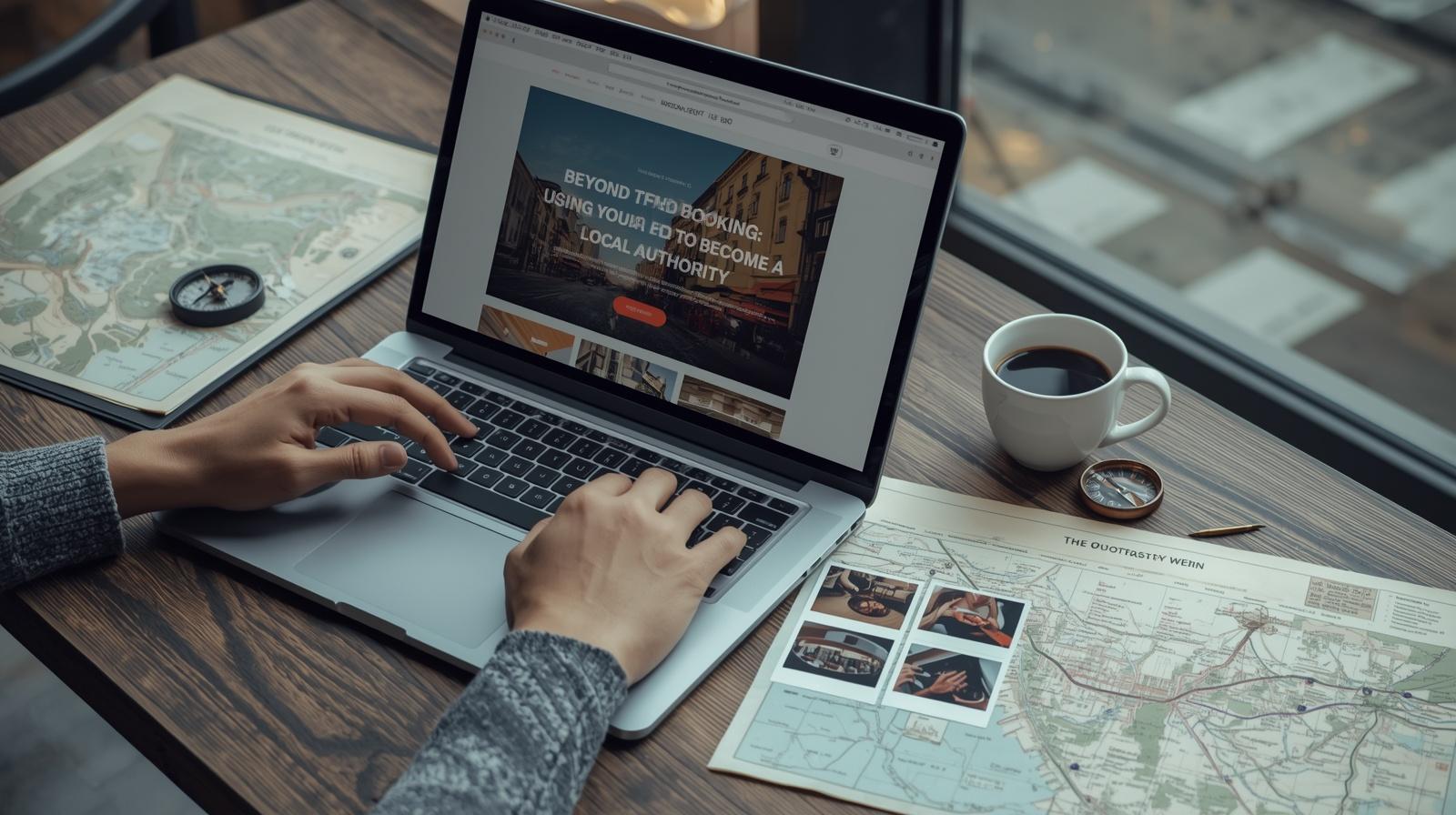
Want more than just one-off bookings? A strong blog can turn your site into the trusted local voice people choose again and again. This post explains clear steps to build authority, create useful posts, and promote your work in the community.
We will cover how to pick a local angle, what topics to write, how to share content so locals find it, and how to measure success. Read on for practical tips you can use right away.
Why local blogging works
Local blogs give your business a face people recognize. When readers see useful local content, they start to trust your brand. That trust makes them more likely to book and to tell friends.
Search engines also favor content that is specific and helpful for a community. Local terms and clear answers rank better for nearby searches. That means a focused blog can bring steady local traffic to your site.
Finally, a blog gives you a place to show your knowledge. You control the message and the quality. Over time, consistent posts build a portfolio of helpful content that proves your expertise to both customers and other local businesses.
Find your local angle
Start by choosing a clear, local focus for your blog. Your angle should match your services and what your neighbors care about. This makes each post feel relevant and helps you stand out from national sites.
Think about the unique needs and culture of your area. What seasonal issues do locals face? What local events matter? Use those topics to frame your posts so people see you as part of the community.
If your site is Artofthecode or any local brand, use that identity to connect. Mention neighborhood names, landmarks, or common local questions. That small detail makes content feel real and useful to nearby readers.
Content that builds trust
Your blog should answer real questions and solve real problems for local people. Aim for clear, helpful posts that show how you handle local issues and what makes your approach reliable.
Write with simple language and friendly tone. Use examples from actual jobs, local stories, or client feedback. Those concrete details make your expertise believable and relatable.
Below are practical post ideas that work well for local authority. Each idea includes a short note on how to use it to build trust and local relevance.
Here are content types you can publish regularly to build authority:
- How-to guides: Step-by-step local guides that answer common problems. Use clear steps and photos when relevant.
- Local case studies: Share short stories of nearby clients and the results you delivered. Include challenges and solutions.
- Event recaps: Write about local events you attend or sponsor. Explain what you learned and how it helps customers.
- Top lists: Local resource lists that help readers find neighbors, tools, or services they need.
- FAQ posts: Simple answers to frequent local questions that show you know the area.
Be consistent with tone and format. If you promise clear steps, always include them. If you use local names, keep them accurate. Over time, readers will expect useful content and return when they need help.
Write with local SEO in mind
Local SEO helps people in your area find your content. Use neighborhood names, common phrases locals use, and simple titles that match search queries. That will help your posts appear when someone searches nearby.
Keep meta titles and descriptions short and direct. Each post should have a clear target phrase in the title and in the first paragraph. Use natural language, not forced keywords.
Also add local context inside the post. Mention streets, suburbs, or community groups when it fits. Those details make the post useful for locals and give search engines signals about your topic focus.
Share and promote locally
Writing great posts is just the start. You must share them where local people gather. Think of online and offline places where your neighbors spend time and tailor your promotion there.
Below is a list of effective ways to promote posts to a local audience. Use methods you can sustain so promotion is steady and predictable.
Use these promotion tactics to get local visibility:
- Social groups: Post in local community groups and neighborhood pages. Share helpful snippets, not hard sells.
- Email newsletter: Send short notes to subscribers about useful posts. Keep emails focused and friendly.
- Local partnerships: Work with nearby businesses to cross-promote content that benefits both audiences.
- Event handouts: Use printed flyers or handouts at local events to guide people to your blog for more resources.
- Local press or community boards: Submit short guest pieces or summaries to community newsletters and boards.
When you share, always add a brief local note about why the post matters to readers. A small personal comment increases clicks and trust. Keep interaction natural and helpful rather than pushy.
Engage the community
Engagement turns readers into fans and customers. Respond to comments, ask for local tips, and invite readers to suggest topics. That two-way talk keeps your blog alive and relevant.
Host simple activities like polls, local photo contests, or Q and A threads. These actions encourage people to join the conversation and to share your posts with neighbors.
Work with other local creators or businesses on co-written posts. Those collaborations expand your reach and add fresh perspectives. They also show you are part of the local network, not just a solo voice.
Measure and improve
Track simple metrics so you know what works. Look at visits from your area, which posts get comments, and how many readers return. This tells you where to focus your time and what to write more about.
Focus on a few clear numbers rather than many confusing stats. See which posts drive contact forms, calls, or bookings. Those actions matter most for local authority and revenue.
Below is a short list of key metrics to watch and why they matter. Use these as a starter set and add others only if they help decisions.
Key metrics to track for local impact:
- Local traffic: Visits from your city or neighborhood show local reach.
- Engagement: Time on page and comments show if readers find content useful.
- Lead actions: Form fills, calls, or bookings tied to posts measure direct business value.
- Social shares in local groups: Indicates community interest and word of mouth.
- Return visitors: Repeat readers suggest growing trust and authority.
Use these results to refine your plan. If local guides get the most traffic, write more of those. If case studies bring leads, publish them often. Small changes add up fast.
Practical workflow for small teams
Set a simple schedule and stick to it. For example, publish one solid post every two weeks and promote it in local channels. Consistency beats bursts of activity followed by silence.
Use a short template for each post. A clear headline, a short intro, steps or examples, and a local note work well. Templates save time and keep quality steady.
Assign roles even if your team is small. One person writes, another edits, and a third shares the post. Clear roles prevent delays and keep the blog active.
Invest in small wins
Not every post must be perfect. Some posts are quick answers to common local questions. Others are deeper guides that take more time. Mix both types to keep readers engaged and to build a content base fast.
Track which small wins bring the most value. A short FAQ might get many clicks. A longer guide might bring steady leads. Keep doing what works and stop what doesn’t.
Over months, these small efforts add up. You will see more local traffic, more calls, and more people choosing your service first.
Key Takeaways
Use your blog to offer real local help, and you will earn trust. Write about local topics in simple language and share posts where local people gather. That builds steady authority and brings more bookings.
Pick a clear local angle, publish consistently, and measure a few key results. Work with neighbors and local groups to expand reach. Small, steady steps will make your blog a local go-to resource.
If your site is Artofthecode or another local brand, use that identity in posts to strengthen trust. Keep your voice friendly, be helpful, and stay active. Over time, your blog will become the local authority people rely on.