Travelers today search with very specific needs. This article shows how long-tail keywords help you reach niche guests and win more bookings. Read on for clear steps, practical tips, and simple examples that work for hotels, B&Bs, and vacation rentals.
Why long-tail keywords work
Long-tail keywords are longer search phrases with clear intent. They are less competitive than broad terms. That means you can rank faster for them and reach people ready to book.
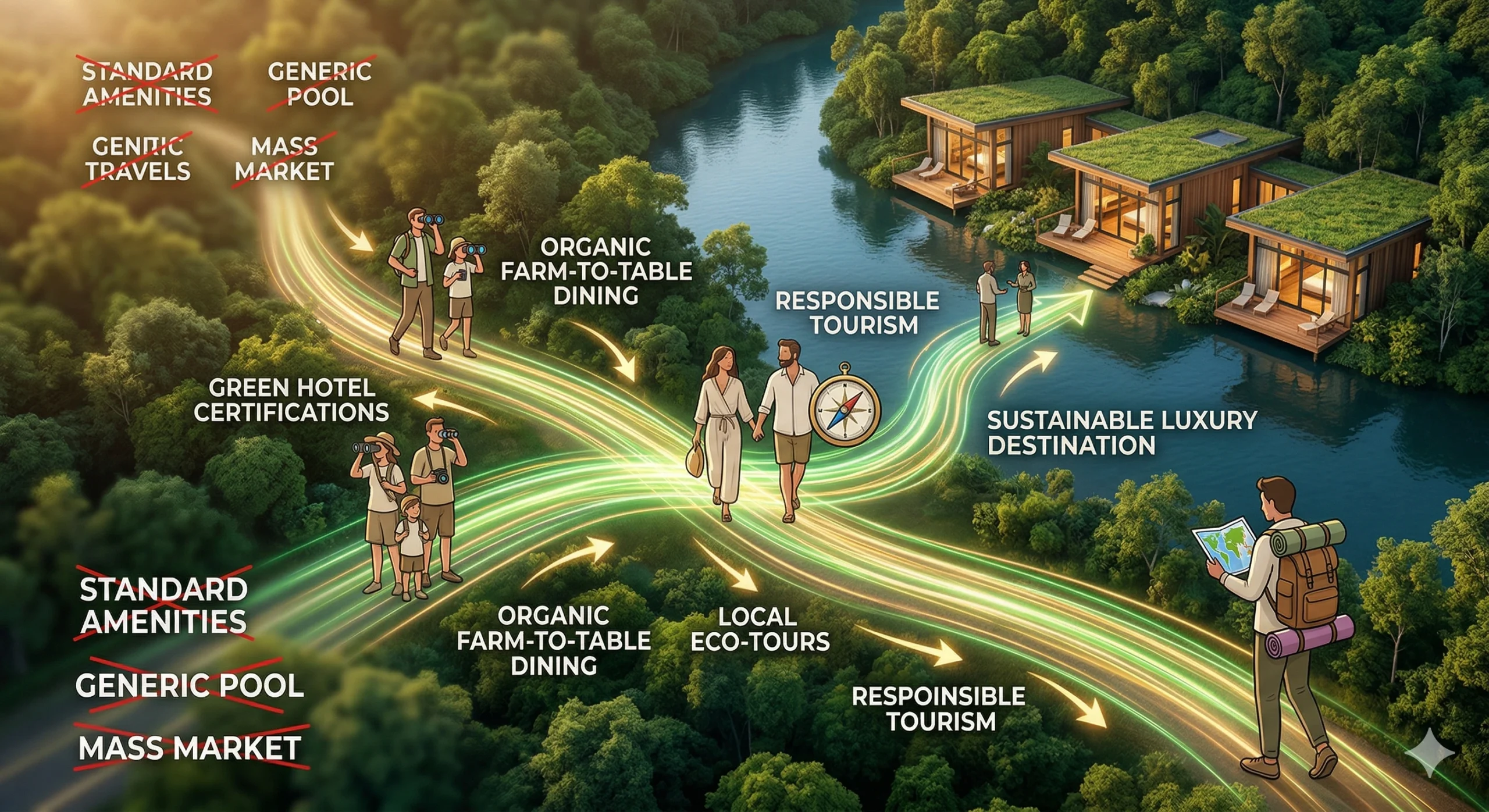
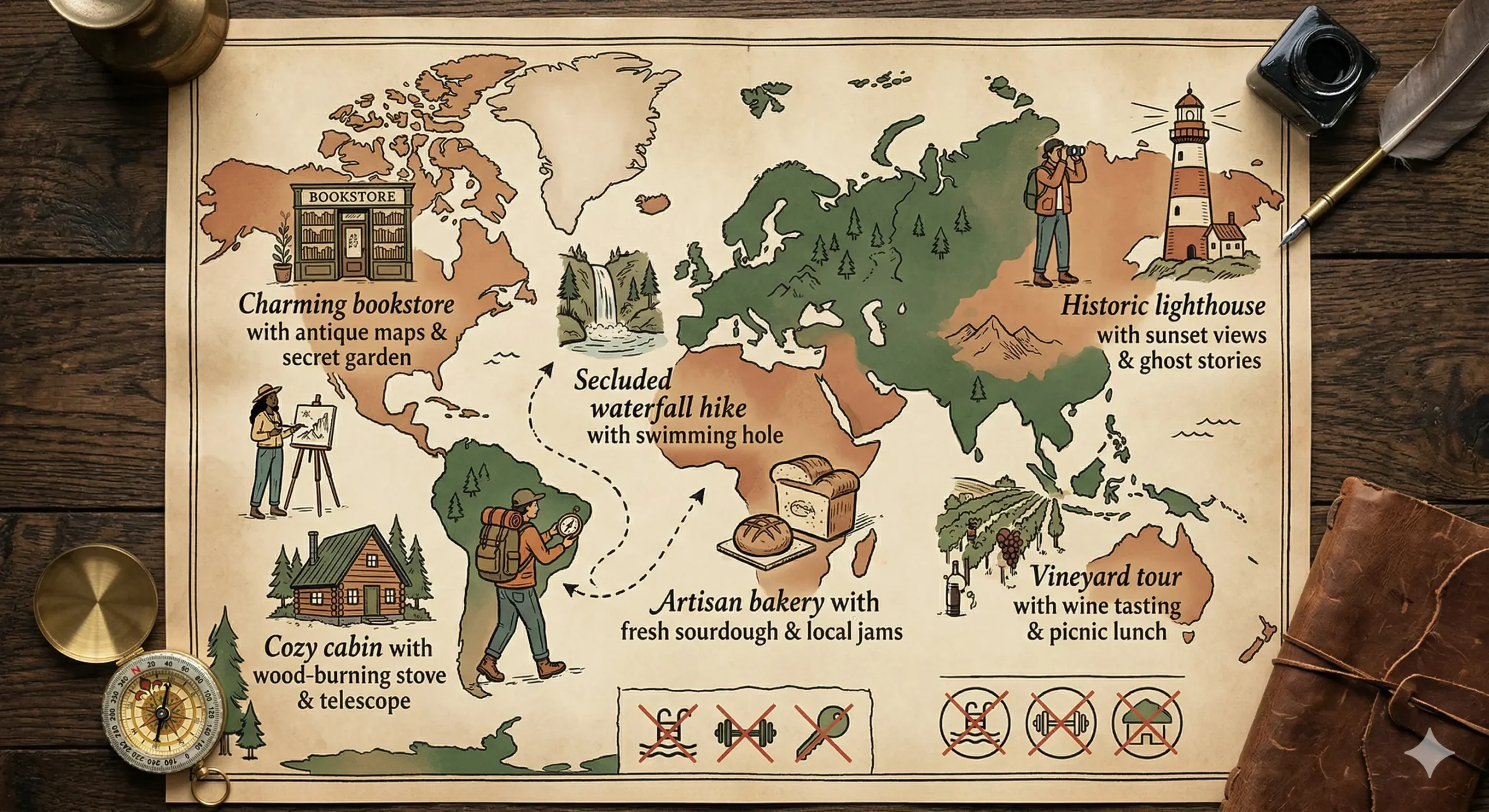
These keywords match real traveler questions. People often search for exact needs, like “pet-friendly cabin with fenced yard” or “bike-friendly hostel near river trail.” When your page uses those phrases, search engines see a closer match.
Traffic from long-tail queries tends to convert better. Visitors from specific searches are usually further along in planning. They know what they want and they need a property that fits. That leads to more direct bookings and fewer wasted clicks.
Using long-tail keywords also helps smaller properties compete. You do not need a big marketing budget. Smart keyword choice and targeted content let you stand out. This is an efficient way to reach the guests who value what you offer.
How to find niche traveler keywords
Finding the right phrases starts with listening to guests and studying small search patterns. Use simple methods before you use tools. Talk to your front desk, read guest reviews, and note common requests. Those phrases often become effective keywords.
Next, expand those real phrases into search-friendly versions. Think of questions and full phrases guests might type. Add location, activity, or audience details. For example, change “kayak friendly” to “kayak-friendly lodge near Lake Echo.”
Here are practical ways to gather long-tail ideas from multiple sources. These methods mix observation and tool-assisted research to build strong keyword lists.
- Guest feedback and reviews: Read what guests ask for and praise. Note exact words and common phrases.
- Search suggestions: Type base phrases into search boxes and watch the autocomplete options. Those are real queries people use.
- Competitor pages: Look at niche pages on nearby properties. See which phrases they use for similar guests.
- Local guides and forums: Check travel forums and local event sites for topics that draw niche visitors.
- Simple keyword tools: Use free or low-cost tools to find phrase variations and search volume. Pick phrases with clear intent.
Organize the phrases into groups. Group by traveler type, activity, or need. This helps you create focused pages and content for each niche. A clean list makes implementation easier.
On-page optimization
Once you have keyword groups, place them in important on-page spots. The title tag, headings, and first paragraph matter most. Use the exact long-tail phrase naturally in those spots.
Keep content useful and clear for readers. Write short, helpful sentences that answer the query. If the phrase is “family cabin with game room,” describe the game room, safety features, and nearby family activities. Match intent with content.
Below are practical placement tips to make your pages discoverable. Each tip links the keyword to a clear piece of content on the page. This builds relevance without repeating words awkwardly.
- Page title: Include the long-tail phrase near the start. Keep it readable for humans.
- Headings: Use an H2 or H3 that mirrors the query. This helps search engines and skimmers.
- Intro paragraph: Put the phrase in the first 1-2 sentences naturally.
- Meta description: Write a short summary that uses the phrase and invites clicks.
- Body content: Give details, benefits, and practical info that answer the searcher’s question.
Also add local signals when relevant. Mention neighborhoods, transit stops, trail names, or event venues. Local words pair well with niche phrases and improve local search relevance.
Content ideas that convert
To win niche searches, you need pages that match specific traveler needs. Think of each keyword group as a page or a blog post topic. Focus on real value and clear calls to action.
Content that helps travelers decide will perform best. Use short paragraphs, bullet points, and clear headers. Show photos and details on amenities, safety, rules, and nearby activities. Offer quick answers and booking options.
Here are content formats that work well for niche audiences. Each type supports a findable keyword and a strong user experience for the guest.
- Targeted landing pages: A page like “surf-friendly guesthouse near North Beach” with rates, rules, and gear storage info.
- Local guides: A guide to “best fall foliage hikes for small dogs” that lists trails, parking, and dog rules.
- How-to posts: Short guides like “packing list for winter mountain yoga retreats” that answer common prep questions.
- Event-focused pages: Pages that match visitor needs for festivals, sports events, or seasonal tours near your property.
- FAQ pages: A grouped FAQ that addresses narrow queries like early check-in, family sleeping arrangements, or accessibility details.
Each piece of content should match a single clear intent. Avoid stuffing many topics into one page. A focused page ranks better and gives visitors a fast path to booking.
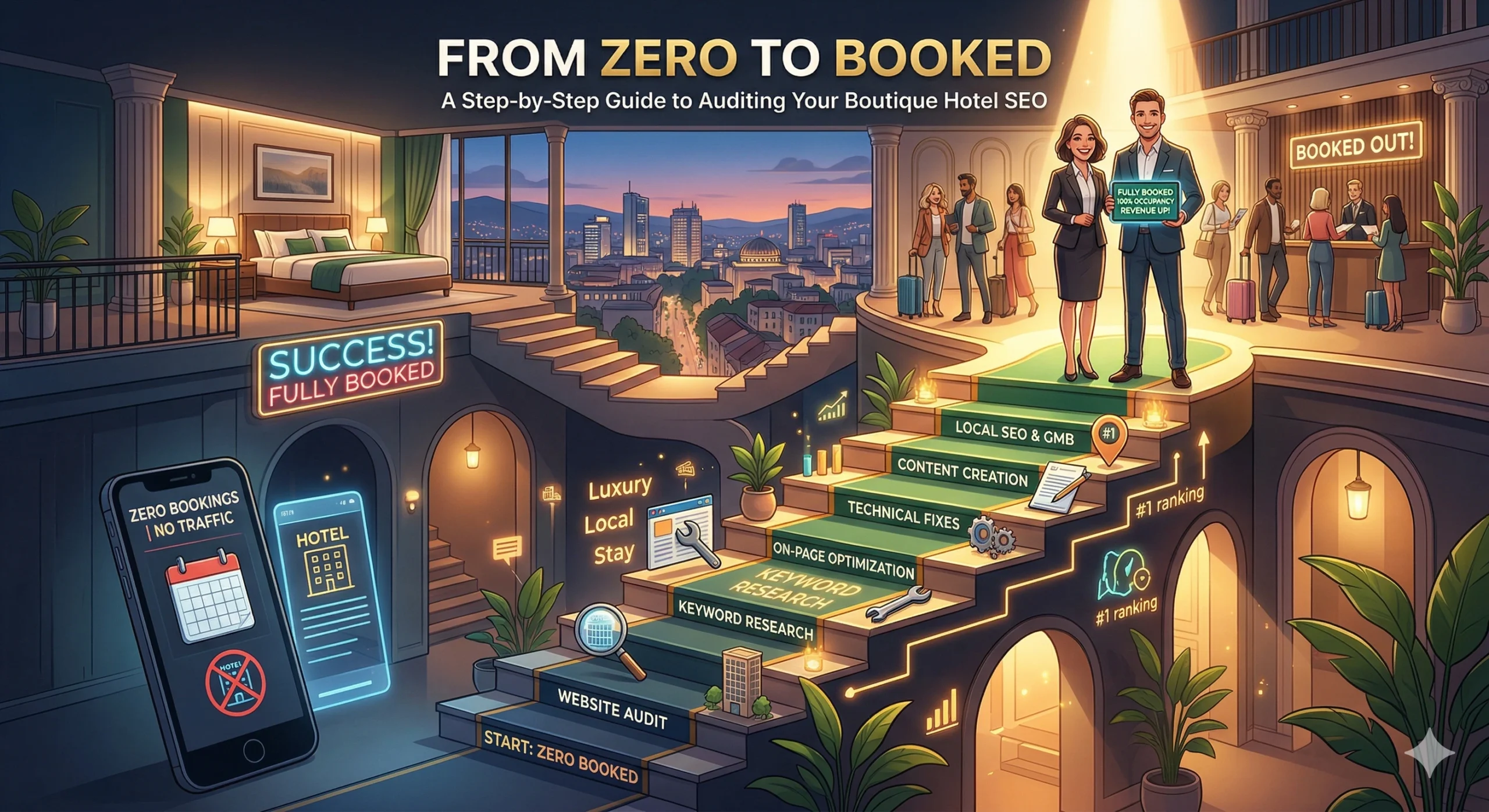
Measure and refine
After publishing, track how your pages perform. Look at impressions, clicks, and on-site behavior. Watch which keywords drive traffic and which ones lead to bookings. This tells you what to keep and what to change.
Make small tests to improve conversion. Try different headlines, tweak the intro, or add one clear booking button. Run one change at a time. Check results after a few weeks. This steady testing improves pages without major cost.
Use basic metrics to guide decisions. These metrics show whether a page finds the right people and encourages bookings. Focus on clear numbers rather than guesswork.
- Impressions and clicks: See which long-tail queries bring people to your page.
- Bounce rate and time on page: Longer time and low bounce often mean the content matches intent.
- Conversion rate: Track booking clicks or form fills tied to each page.
- Search ranking: Watch if your page moves up for the targeted phrase over time.
Refine content based on findings. If a phrase brings clicks but no bookings, adjust the page to answer booking objections. If a phrase gets few impressions, try related phrases or add local details to boost relevance.
Key Takeaways
Long-tail keywords reach people with specific needs. They are less competitive and often convert better than broad terms. Focus on phrases that match the guest intent and the real services you offer.
Do simple research. Talk to guests, read reviews, and use basic tools to expand real phrases into search-friendly wording. Group keywords by traveler type and purpose to create focused content.
Place phrases in key spots, write clear and helpful content, and test small changes. Measure impressions, clicks, and conversions. Refine pages based on real data to improve bookings over time.
Start with one niche and build slowly. Each targeted page can bring steady, high-quality traffic to your property and help you compete more effectively online. Artofthecode recommends clear pages, real guest language, and steady measurement to grow bookings from niche travelers.