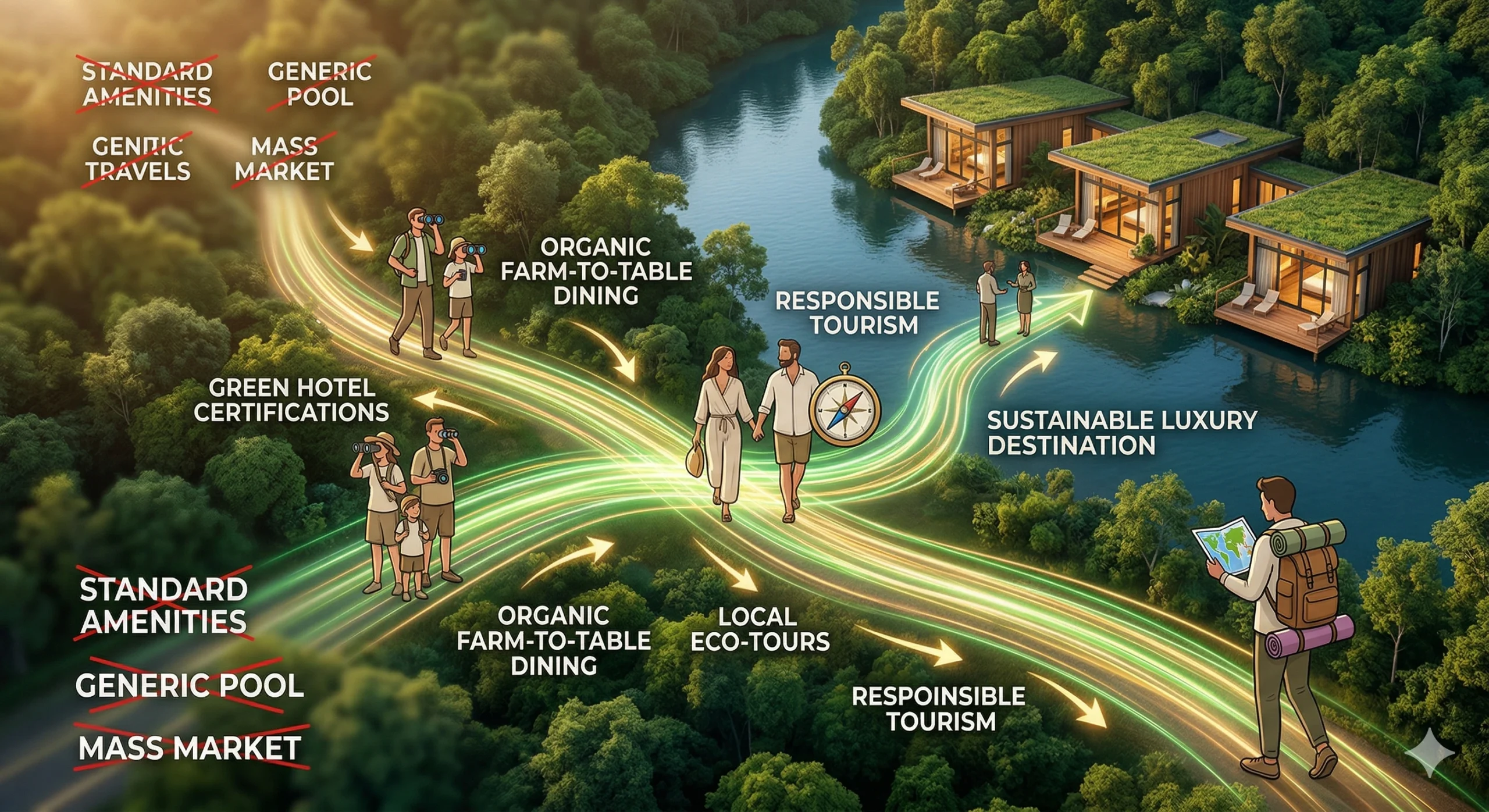
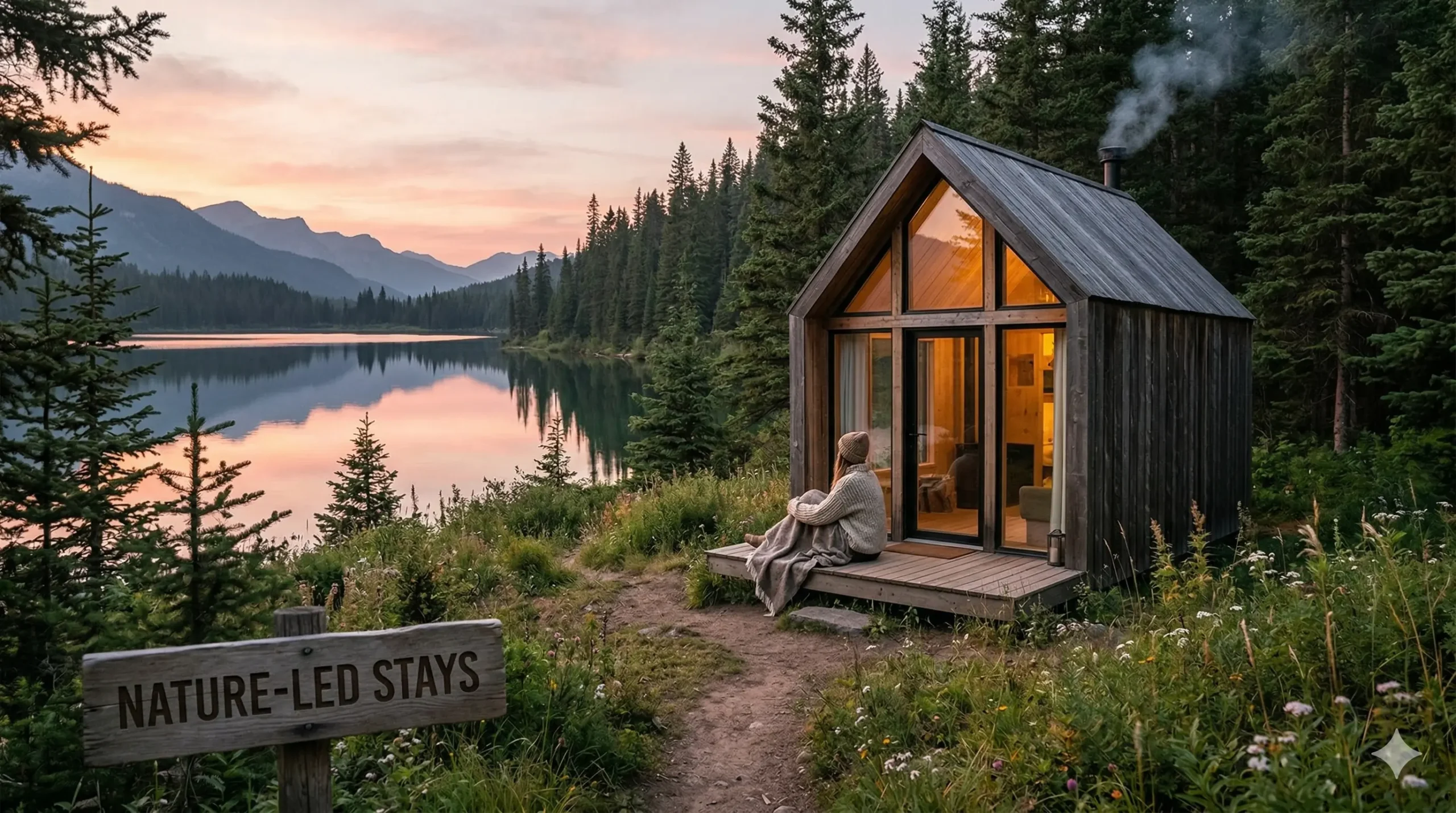
People are leaving the city on purpose and choosing quiet places. This article explains why that shift matters and how hosts, property managers, and small hotel groups can respond. You will find clear steps to design, market, and run nature-led stays that guests will love.
Why the Rural Reset Matters
The rural reset describes more travelers choosing time in nature. Many guests now want fresh air, green views, and slower days. This change is not a small trend. It changes booking patterns and guest expectations for stays outside urban centers.
Rural stays appeal to different motivations. Some guests seek rest and calm. Others want outdoor activity like hiking, fishing, or cycling. Many look for places where families and friends can reconnect without crowds.
For the travel industry, this matters because demand is moving. Properties close to nature can now compete with city hotels on experience rather than size or brand. That opens new revenue paths for rural property owners and small operators.
Understanding why people choose nature-led stays helps hosts make smarter choices. It informs everything from property layout to pricing and guest services.
Who Is Choosing Nature-Led Stays
Several guest groups are driving the rural reset. Families want safe outdoor play and easy meals. Remote workers look for calm places with good internet. Couples search for privacy and simple romance. Each group has clear needs and habits that hosts can plan for.
Knowing the main guest types helps tailor offers. For families, hosts can provide toys, child-safe spaces, and simple kitchen equipment. For remote workers, fast Wi-Fi, a quiet desk area, and flexible check-in are valuable. For couples, privacy, comfortable beds, and clear local tips matter most.
Guests also bring new booking patterns. Many book longer stays, often a week or more. Others book last minute for short breaks. Some prefer flexible cancellation and clear cleaning policies. Hosts who understand these patterns can set rules and rates that match demand.
Payment and communication preferences vary too. Many guests use mobile booking and expect fast responses on chat or email. Clear photos, honest descriptions, and straightforward rules reduce surprises and boost reviews.
Designing Stays That Guests Want
Design is a big part of the guest experience. A well-designed property feels calm and useful. It should match the natural setting and the needs of your target guest groups.
Start with comfort and clarity. Guests notice clean lines, clear pathways, and thoughtful lighting. Comfortable beds and good towels are non-negotiable. Outdoor seating and easy access to trails or green space increase the sense of value.
Next, add simple features that cater to common needs. Storage for bikes, drying racks for wet clothes, and a small first-aid kit matter. A clear welcome guide with local suggestions helps guests feel at home quickly.
Below is a practical list of physical and service elements to include. This list focuses on items that shape guest satisfaction and repeat bookings.
Consider including these essentials:
- Comfort basics: high-quality mattress, blackout curtains, and soft linens to aid rest.
- Outdoor amenities: seating, BBQ or firepit, and safe paths to nearby nature spots.
- Practical gear: hooks for wet clothes, bike racks, and a mudroom or entry mat.
- Kitchen and dining: simple cookware, clear labels, and a basic pantry for quick meals.
- Workspace: stable desk, good lighting, and reliable Wi-Fi for remote visitors.
Pricing and Packaging for Nature Stays
Setting the right price is both art and data. Prices should reflect seasonality, local demand, and the experience you offer. Nature-led stays often have strong weekend and week-long demand, plus midweek bookings from remote workers.
Create simple packages that match guest goals. Offer midweek remote work rates, family weekend bundles, or gear-inclusive packages for hikers and anglers. Packages reduce friction and make the value clear to guests.
Use tiered pricing to capture more bookings. Keep a base rate, then add premium options for extras like guided hikes, equipment rental, or early check-in. This allows guests to choose how much they want to spend while keeping the core offering strong.
Keep rules clear about minimum stays, cleaning fees, and cancellation. Guests in nature want certainty and flexibility. Clear policies reduce confusion and lead to better reviews and fewer chargebacks.
Marketing and Distribution Strategies
Marketing for nature-led stays should show experience and simplicity. Great photos, clear descriptions, and honest reviews sell the calm and beauty of your place. Marketing should also explain what makes your property special in plain terms.
Before sharing lists, write a short paragraph that guides the reader. The following list covers marketing channels and tactics that work well for rural properties. Each item is easy to implement and focused on results.
Practical marketing actions to try:
- High-quality photos: show outdoor spaces, nearby trails, and cozy interiors to set the right expectation.
- Targeted listings: use description keywords like ‘quiet’, ‘nature’, and ‘outdoor activities’ to match guest searches.
- Guest reviews: encourage reviews that mention the landscape, safety, and amenities.
- Local partnerships: work with local guides, shops, and farms to offer unique add-ons.
- Social proof: share guest stories and short testimonials to create trust quickly.
Remember that distribution choices shape demand. Listing on major platforms brings reach, while direct booking builds margins. A balanced approach gives both visibility and control.
Operational Tips for Hosts
Running a property in a rural setting requires practical thinking. Supplies can be farther away and weather can change plans. Good operations reduce guest friction and keep costs steady.
Start with a strong local network. Reliable cleaners, handyman contacts, and a local grocery source matter. They keep your operation resilient and responsive to guest needs.
Before any list, include a lead-in sentence that explains the types of daily systems a host should set up. The following list shows repeatable practices that cut time and improve guest satisfaction.
Daily and seasonal operational practices:
- Checklists: use arrival and departure checklists to keep standards steady and reduce errors.
- Inventory control: track linens, small appliances, and consumables to prevent last-minute shortages.
- Local supplier plan: have backup suppliers for essentials like propane, wood, or groceries.
- Guest communication templates: automate common messages for check-in details and local tips.
- Emergency plan: leave clear instructions for power outages, bad weather, or health incidents.
Operational clarity makes the guest experience smoother. It also reduces stress for hosts and teams, letting everyone focus on hospitality.
Measuring Success
To grow a nature-led stay business, measure what matters. Track occupancy, average nightly rate, revenue per available night, and guest review scores. These metrics show how your property performs month to month.
Guest feedback is a key measure. Read reviews for recurring themes and act on them. If guests often ask for more heating or clearer directions, those are easy fixes that improve scores and future bookings.
Before offering any lists, explain why a small set of metrics is most useful. The list below focuses on clear indicators that tie directly to guest experience and revenue.
Essential metrics to track:
- Occupancy rate: shows how often your property is booked and guides pricing moves.
- Average nightly rate (ADR): shows the price guests pay. Combine ADR with occupancy for a full picture.
- Length of stay: longer stays can reduce turnover costs and increase overall revenue per booking.
- Review score and sentiment: tracks guest satisfaction and the quality of the stay.
- Direct vs platform bookings: reveals how much you rely on third-party sites and where you can grow margin.
Use simple spreadsheets or a basic property management tool to collect these numbers. Weekly and monthly checks will reveal trends and quick wins.
Key Takeaways
The rural reset gives hosts a clear chance to meet growing demand for nature-led stays. Small upgrades to design, operations, and marketing create big returns in guest satisfaction and bookings. Practical changes are often low cost and highly effective.
Focus on comfort, clear communication, and local partnerships. Offer simple packages that match guest goals. Measure the right metrics and refine offers over time. These moves help properties stand out and win repeat bookings.
Hosts and operators who act now can capture more of this growing market. The steps are straightforward and repeatable. With smart choices, a rural property can deliver memorable stays and steady income.
Art Of The Code supports clear, practical guidance for hosts who want to grow. Use these ideas as a checklist and adapt them to your local context. Nature-led stays are an opportunity to create meaningful travel moments and a stronger business.