Introduction
Boutique hotels thrive on personality, attention to detail, and memorable guest experiences. Unlike large hotel chains, boutique properties compete on authenticity, design, service and a sense of place. To deliver consistent, high-quality stays that convert first-time visitors into loyal guests, boutique hotels must implement a combination of smart technology, operational best practices, and locally informed services. This article outlines the essential features—from booking systems and property technology to curated local guides—that boutique hotels should prioritize to enhance revenue, efficiency and guest satisfaction.
Core Booking and Reservation Features
Booking is the first touchpoint guests have with your brand. A seamless, reliable booking experience reduces friction, increases direct bookings and improves conversion rates. Essential booking capabilities include:
Online Booking Engine
Your website should host a fast, mobile-friendly booking engine that supports real-time availability, dynamic pricing and secure payments. Prioritize an engine that:
- Offers a clear rate calendar and room descriptions.
- Supports promotions, packages and add-ons (e.g., airport transfers, breakfast, experiences).
- Integrates with your property management system for instant confirmation.
Channel Management and OTA Strategy
Channel management tools synchronize inventory and rates across OTAs, GDS and your direct channels to prevent overbookings and rate disparities. Boutique hotels should:
- Maintain a balanced OTA mix that complements direct bookings rather than cannibalizing them.
- Use channel managers to enforce rate parity and push last-minute availability.
- Analyze OTA commission vs. visibility to optimize distribution spend.
Mobile Booking and Payments
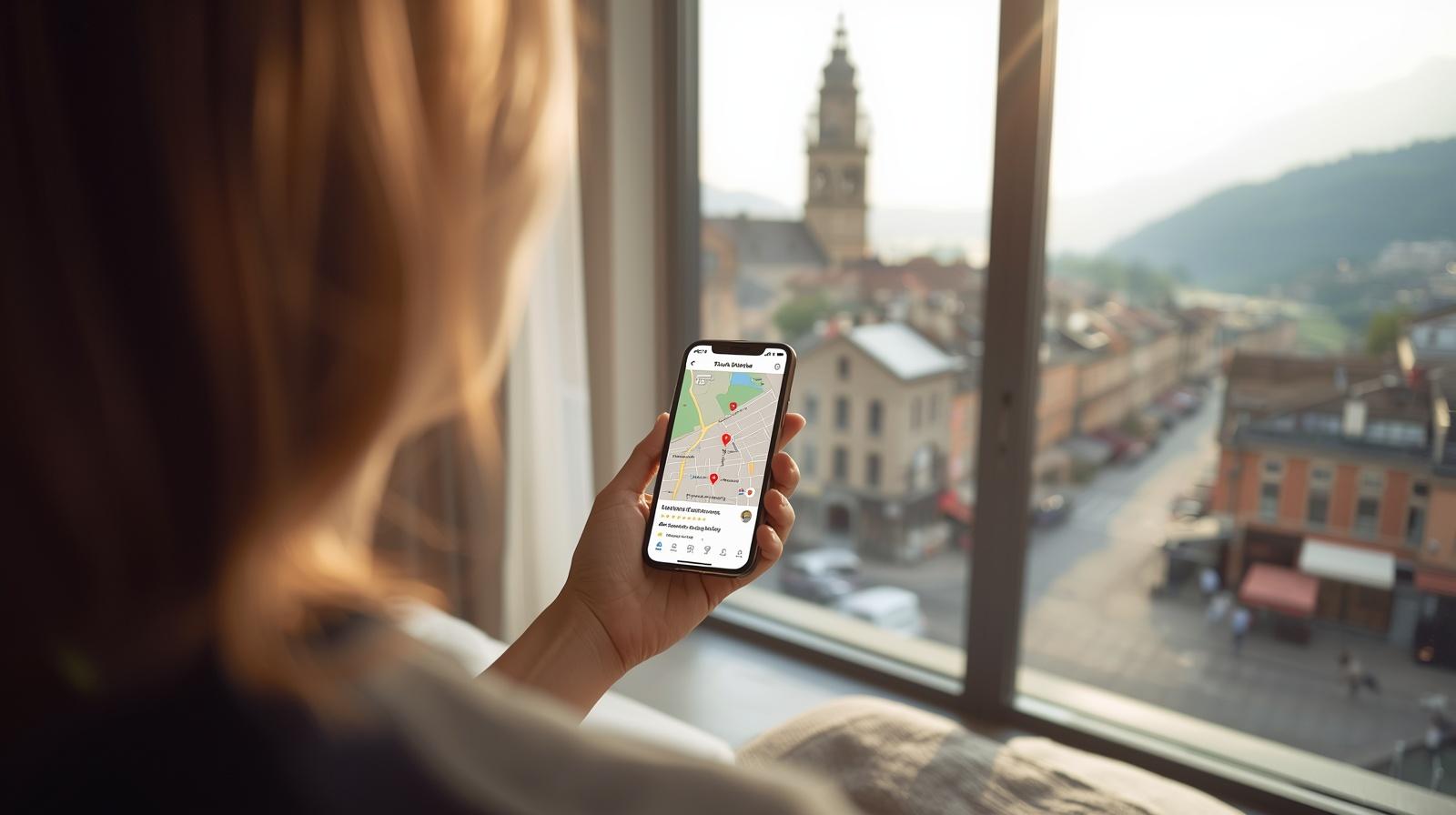
Mobile-first design is mandatory. Guests expect fast bookings on their phones and flexible payment options such as major cards, digital wallets and local payment methods. Consider:
- One-click booking flows and saved preferences for repeat guests.
- Secure tokenization for card data and PCI-compliant payment processors.
Guest Experience and Property Technology
Boutique hotels that invest in thoughtful property technology elevate convenience without losing the human touch. Technology should feel seamless and amplify service.
Contactless Check-In / Check-Out
Contactless solutions speed up arrivals and reduce administrative overhead. Offer options such as mobile check-in, digital registration cards and mobile keys while keeping staffed options for guests who prefer personal interaction.
Smart Room Controls and In-Room Amenities
Smart room features can be scaled to your property’s style and budget. Useful implementations include:
- Guest-adjustable lighting and thermostats with intuitive controls.
- High-speed Wi-Fi and smart entertainment systems with streaming support.
- Thoughtful in-room amenities—quality toiletries, locally sourced minibar items and clear sustainability messaging.
Integrated Property Management System (PMS)
A modern PMS is the backbone of operations. It should integrate with your booking engine, channel manager, point-of-sale and analytics tools to centralize guest profiles, preferences and billing. Key benefits include:
- Faster check-in/out, automated pre-arrival messaging and tailored upsells.
- Centralized housekeeping dashboards and maintenance alerts.
- Guest history for personalized service—special occasion notes, preferred room types and dietary needs.
Curated Local Guides and Experiential Services
One of the strongest differentiators for boutique hotels is their ability to connect guests to authentic local experiences. Curated local guides and concierge services increase guest satisfaction and ancillary revenue.
Digital and Physical Local Guides
Provide guests with both digital and physical resources. A layered approach ensures accessibility and engagement:
- Digital guides: Mobile-friendly guides, in-room tablets or a dedicated page on your website with neighborhood mapping, restaurant recommendations, event listings and walking routes.
- Printed guides: High-quality booklets or postcards that reinforce your brand aesthetic and provide quick-reference tips for guests who prefer analog resources.
Curated Itineraries and Experiences
Offer curated itineraries tailored to themes such as food and wine, architecture, outdoor activities or local art. These can be sold as packages or offered as complimentary suggestions. Examples of experiential offerings include:
- Private walking tours with a local expert.
- Cooking classes or market visits highlighting regional cuisine.
- Partnerships for wellness sessions like sunrise yoga, guided hikes or spa treatments.
Local Partnerships and Commissions
Partnering with nearby businesses—cafés, galleries, tour operators and transport providers—creates win-win referrals. Negotiate commissionable referrals or exclusive experiences to give guests more value while supporting the local economy.
Design, Branding and Digital Presence
Design and brand storytelling are central to the boutique concept. Your online presence must reflect the physical experience you promise.
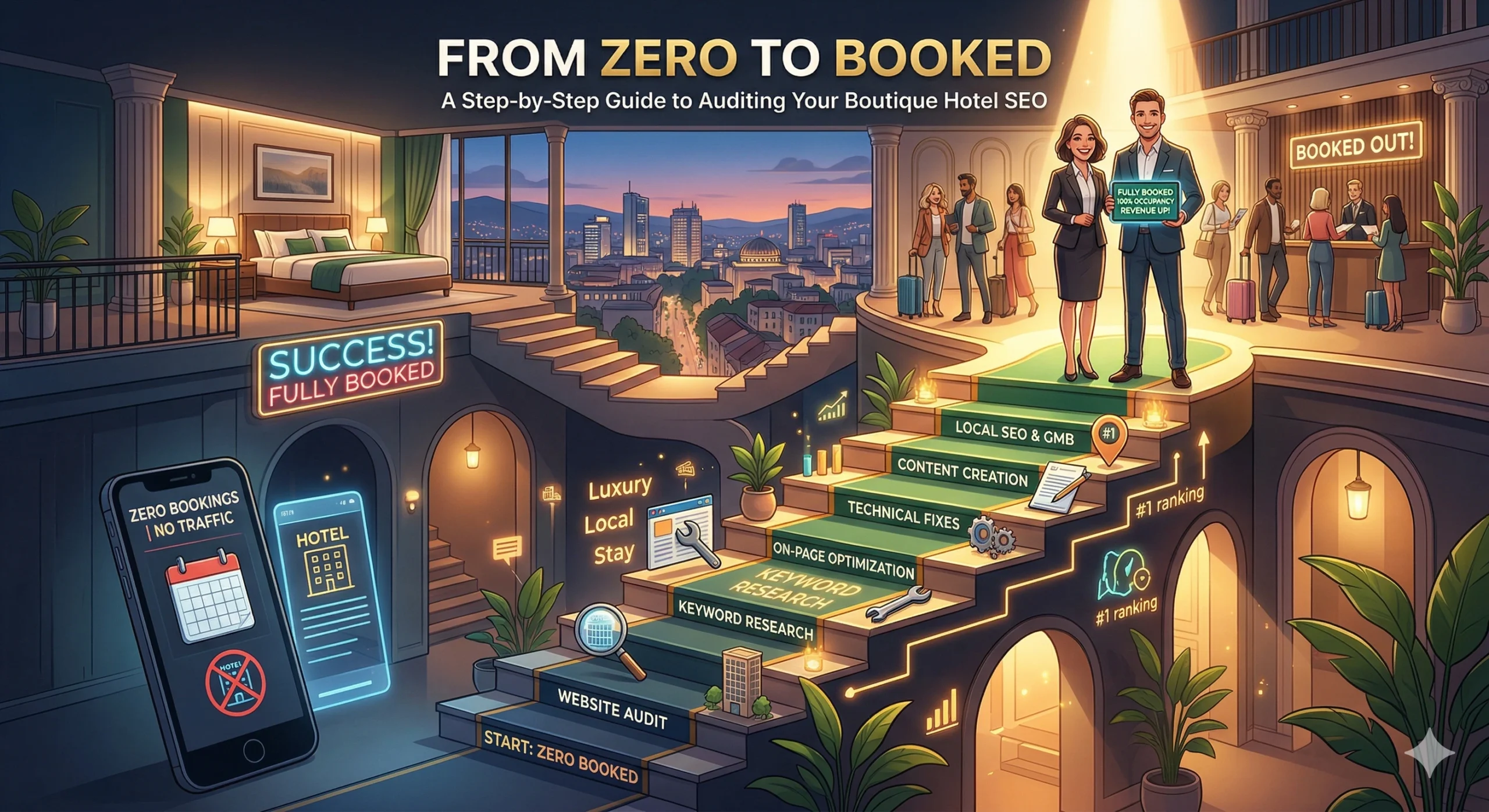
Website Design and SEO
Your website is your digital front desk. It should convey your voice, aesthetic and practical information. Prioritize:
- Fast performance, clear navigation and strong photography (kept lightweight for speed).
- SEO-focused content that targets intent-based queries: “boutique hotel in [city]”, “best neighborhood for dining near [landmark]”, “romantic boutique stay [city]”.
- Structured data (schema) for local business, hotel, and FAQ to improve search visibility and rich results.
Social Media and Storytelling
Use social platforms to tell the property’s story—behind-the-scenes posts, staff profiles, guest-generated content and local discoveries. Encourage guests to share their experiences with a branded hashtag and display a curated social feed on your website to build trust.
Operations, Staff and Training
Exceptional service remains the most important component of a boutique hotel’s offering. Systems and training ensure that personality and standards coexist.
Staff Empowerment and Training
Invest in training programs that teach staff to anticipate needs, personalize interactions and handle guest concerns diplomatically. Empower employees with authority to resolve common issues—complimentary upgrades, late check-outs or curated recommendations—to create memorable guest moments.
Back-of-House Efficiency
Streamline housekeeping, maintenance and procurement with clear workflows and technology that provides real-time status updates. This reduces guest disruption and keeps rooms guest-ready.
Accessibility, Sustainability and Safety
Guests increasingly expect hotels to be inclusive, eco-conscious and secure. These features protect reputation and expand market reach.
Accessibility
Ensure physical accessibility where possible and provide clear accessibility information online. Accessibility features might include mobility-accessible rooms, step-free routes, visual alarm systems and staff training on assisting guests with disabilities.
Sustainability Initiatives
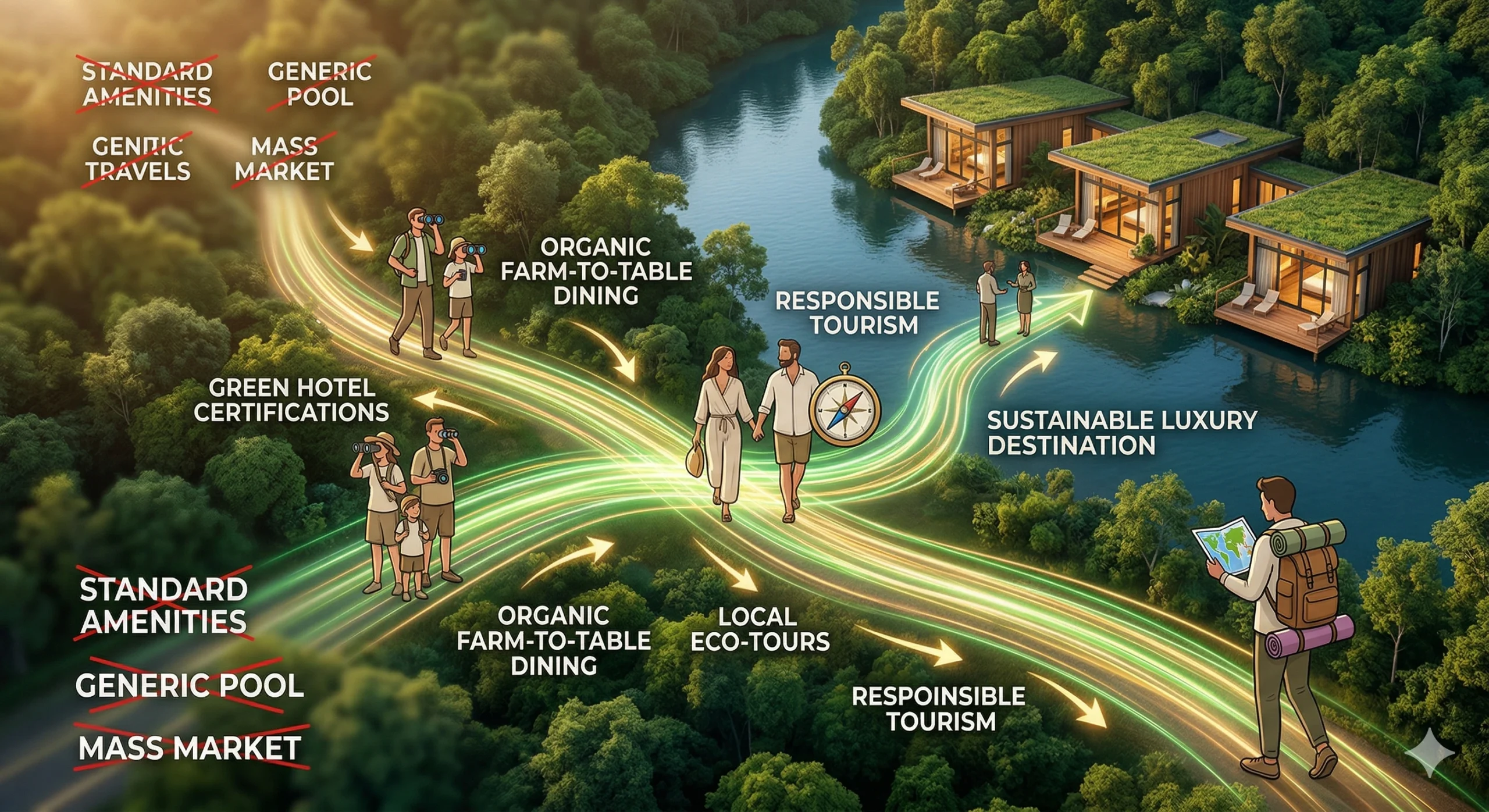
Sustainability is both a responsibility and a marketing advantage. Consider initiatives such as:
- Energy-efficient lighting and HVAC systems.
- Water-saving fixtures and towel/linen reuse programs.
- Local procurement for food, art and amenities.
- Transparent reporting of sustainability goals to engage environmentally conscious travelers.
Safety and Data Privacy
Safety protocols—CCTV in public areas, staff emergency training and well-managed incident response plans—protect guests and staff. On the digital side, enforce robust data privacy and security standards (GDPR compliance where applicable, secure payment processing and limited access to guest data).
Measuring Success: KPIs and Analytics
To justify investments and refine strategy, track meaningful KPIs that align with business goals. Important metrics include:
- Average Daily Rate (ADR) and Revenue per Available Room (RevPAR) to monitor pricing performance.
- Direct Booking Ratio to evaluate the effectiveness of your website and marketing.
- Occupancy Trends by segment and channel to identify opportunities.
- Guest Satisfaction Scores (e.g., NPS, review scores) and qualitative feedback to guide service improvements.
- Ancillary Revenue from F&B, experiences and partnerships to measure upsell success.
Implementing Features on a Budget
Boutique hotels often operate with limited capital. Implement features in phases, prioritizing high-impact, low-cost changes first.
Prioritization Framework
Use a simple matrix to prioritize projects by impact and cost. High-impact/low-cost items—like improving website booking flows, staff training and curated local guides—should come first. Plan capital expenditures (PMS upgrades, room retrofits) as part of a multi-year roadmap.
Vendor and Technology Selection
Choose vendors that specialize in smaller properties and offer modular pricing. Avoid one-size-fits-all enterprise contracts that include unused features. Focus on interoperability—tools that connect easily via APIs or pre-built integrations reduce implementation time and cost.
Conclusion and Next Steps
Boutique hotels succeed when design, service and local authenticity combine with well-chosen technology and operational rigor. Prioritize a frictionless booking experience, integrate a flexible PMS, invest in guest-facing tech that enhances rather than replaces service, and build distinctive local guides and partnerships that create unique stays. Measure outcomes with a concise set of KPIs and implement new features in prioritized phases to manage costs.
Resources
For hotels exploring digital solutions and operational best practices, consult vendor guides, industry case studies and local tourism resources. Current website: Artofthecode. Additional reading and vendor references can be curated based on property size, market and budget.
Implement these elements with attention to your brand voice and guest profile, and your boutique property will be well-positioned to deliver memorable, repeatable experiences that drive both revenue and loyalty.